My Story
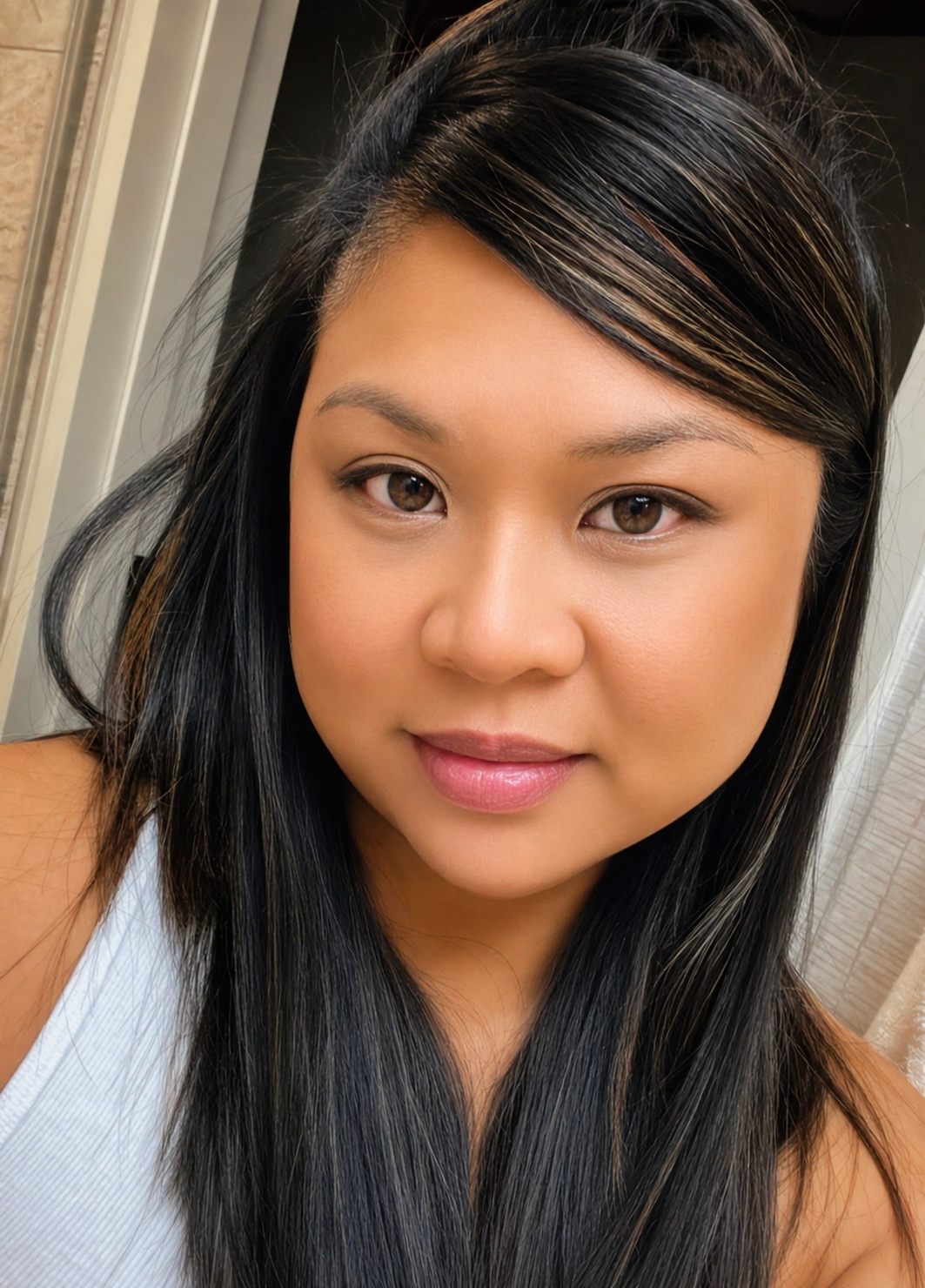
I was born and raised on the island of Lānaʻi, Hawaiʻi, to Filipino parents who immigrated from the Philippines. My mother’s roots trace back to Mindanao and Pangasinan, while my father’s family comes from the Ilocos region. Ilocano was the primary language spoken in our home, alongside English and the occasional Tagalog conversation.
Family gatherings revolved around food, storytelling, laughter, and the steady presence of my grandmother, our family’s Inang Baket, who had a way of bringing everyone together. Some of my favorite memories are of weekends spent with cousins, aunties, uncles, and grandparents, listening to stories about life in the Philippines while running barefoot through gatherings that always seemed to end around a table full of food.
For much of my childhood, I never questioned where I belonged. Hawaiʻi is a place where cultures naturally intertwine, and growing up surrounded by other Filipino families made it easy to embrace the values I was raised with: respect for family, humility, perseverance, and community. At the same time, Hawaiʻi’s local culture became part of who I am. Although I am not Native Hawaiian, the islands shaped my worldview and taught me the importance of caring for people, honoring culture, and respecting the land.
It wasn’t until I left Hawaiʻi for college that I began to understand what it meant to live between identities.
On the mainland, people often assumed I was Hawaiian because of where I grew up. I would explain that I wasn’t Hawaiian by ancestry, but Filipino. Then, when I met other Filipinos, I expected to feel an immediate sense of belonging. Instead, I sometimes found myself on the outside looking in. I spoke Ilocano fluently but not Tagalog. I understood many Filipino traditions, yet my experiences had been shaped by Hawaiʻi.
For the first time, I found myself asking questions that have stayed with me ever since.
Was I Filipino enough?
American enough?
Where exactly did I fit?
The truth is, I never felt entirely one thing or another. I was shaped by Filipino traditions, raised in Hawaiʻi’s local culture, and built my adult life on the American mainland. Each experience became part of who I am, but none could fully define me. Over time, I realized that belonging isn’t always about fitting neatly into a category. Sometimes it’s about learning to embrace the spaces in between.
My parents came to Hawaiʻi with little formal education and spent much of their lives doing physically demanding work so their children could have opportunities they never had. They worked in the pineapple fields, sacrificed without complaint, and measured success not by what they achieved for themselves, but by the opportunities they created for their children.
Because of them, I was able to attend college in Nevada, build a career in technology, and pursue opportunities they could only imagine.
Along the way, I experienced both successes and heartbreak. I lost my father while I was still a young adult. Later came the passing of my grandparents. After my grandmother was gone, our family gatherings were never quite the same.
Those losses left behind more than grief.
They left questions.
Questions about where my family came from, who came before them, what their lives were like, and how their stories became part of mine.
Today, I find myself on a journey back to my roots, not only to learn more about my family’s history, but to better understand myself. The older I get, the more I realize that identity isn’t something you inherit once and fully understand. It’s something you continue discovering throughout your life.
There are still places in the Philippines I hope to visit, relatives I hope to meet, and stories I hope to uncover. In many ways, this journey is about reconnecting with parts of myself that were always there, quietly waiting to be explored.
These days, I’m back home in Hawaiʻi, continuing that journey one story at a time. OberrDerr has become more than a writing project. It’s a way to preserve my family’s history, reconnect with my Filipino heritage, and leave something meaningful for future generations.
Part memoir, part journal, part cultural exploration, and part family legacy project, OberrDerr is where I document that journey. It is a collection of stories about memory, heritage, relationships, resilience, and finding home in unexpected places. It’s where I preserve family history, reflect on the experiences that shaped me, and continue discovering what it means to belong.
Most of all, it’s my way of honoring the generations who came before me and preserving their stories for those who come after.
If there’s one thing I hope readers take away from these pages, it’s the realization that our stories are often more connected than we realize. Whether you’re navigating different cultures, searching for your roots, carrying the weight of family expectations, grieving someone you love, or simply trying to understand where you belong, I hope you’ll find something familiar here.
Because at its heart, this isn’t just my story.
It might be yours too.
With aloha and agyaman,
Chex
aka “lotlot”