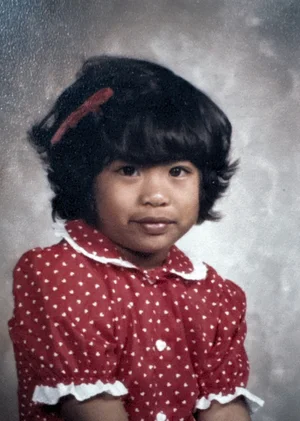
The Island That Raised Me
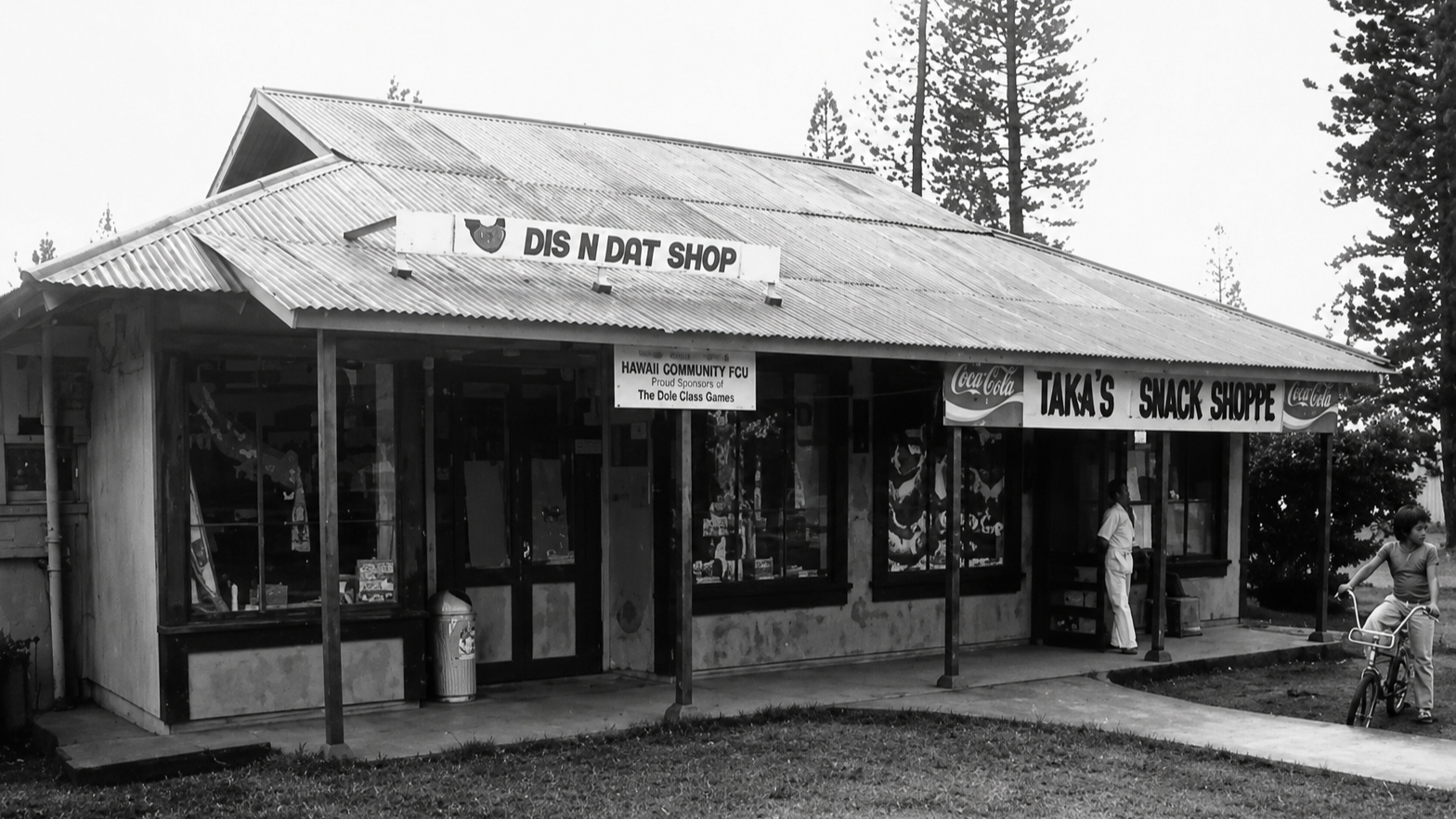
Some of my favorite childhood memories happened in places that probably seemed ordinary to everyone else. Taka’s Snack Shoppe was one of them. We’d stop in for Icees, Icee floats, candy, and a few games of Pac-Man, stretching our pocket change as far as it would go. At the time, it was just another stop in town. Looking back now, I realize it was one of the little places that made growing up on Lānaʻi feel like home.
Photo Credit: Unknown
When people ask me where I’m from, I usually answer with one word.
Lānaʻi.
The response is almost always the same.
“Where’s that?”
It’s a fair question. Lānaʻi is one of the smallest inhabited Hawaiian islands, and for many people it’s simply a name they’ve never heard before. But for me, it wasn’t just where I was born.
It was my whole world.
Growing up on an island means you measure distance differently. Nothing ever felt too far away. The beach, the park, school, friends’ houses, and the town square were all part of the same familiar landscape. Faces became familiar long before names did, and it wasn’t unusual for your parents to know everyone else’s parents.
Life moved at its own pace.
Doors were rarely locked, and the neighborhood was our playground. We rode our bikes through town, wandered from yard to yard, and somehow always knew when it was time to head home.
We lived within walking distance of what everyone called the labor yard. Like many families on Lānaʻi, my parents worked in the pineapple plantation, so the labor yard wasn’t just another place in town. It was part of our family’s daily rhythm.
Every morning, workers gathered there before climbing into trucks that carried them out to the fields. One crew at a time, they received their assignments before disappearing into rows of pineapple that seemed to stretch forever.
The labor yard had a giant whistle that echoed across town. One blast in the morning signaled the start of the workday. Another in the afternoon meant the workers were heading home.
My mom’s rule was simple.
“Be home before the last whistle.”
Most days, my cousins, who lived right next door, and I pushed that rule as far as we dared. We’d race our bikes home as the whistle echoed across town, laughing the whole way, knowing we had maybe five or ten minutes before Mom and Dad walked into the driveway (yes, the labor yard was that close).
At the time, those few extra minutes felt like we had gotten away with something.
Looking back now, it wasn’t just a whistle telling workers their day was over.
It was the sound that told us our childhood adventures had come to an end, at least for that day.
I grew up surrounded by Hawaiʻi’s local culture, but inside our home, another world existed. My parents spoke Ilocano. Filipino food filled our kitchen. Family gatherings stretched late into the evening, full of laughter, stories, and dishes that everyone insisted you try.
At the time, I didn’t think much about living between those worlds.
It was simply normal.
Outside our front door, I was a kid growing up on a small Hawaiian island. Inside, I was growing up in a Filipino home.
I didn’t have words for it then, but those two worlds were quietly shaping who I would become.
If I close my eyes and think about the home I grew up in, I don’t picture the house first.
I smell it.
Garlic sizzling in oil.
Ginger hitting a hot pan.
Rice simmering on the stove.
It amazed me how we could tell what Mom was making for dinner just by the aroma drifting through the house. The familiar scent of soy sauce and vinegar meant adobo. The unmistakable smell of bagoong signaled dinengdeng or pinakbet. Before I ever stepped into the kitchen, I already knew what was waiting for us on the table.
At the time, they were simply the smells of home. I never imagined they would become the fragrances I’d miss most after leaving Lānaʻi for college.
As a child, I never imagined leaving Lānaʻi.
Like many kids, I assumed the places I loved would always be there, exactly as I remembered them. It wasn’t until I moved away that I understood how deeply the island had become part of me.
Distance has a funny way of sharpening memory.
Now, when I think of home, I don’t always remember the big moments first.
I remember the ordinary ones.
The roads I knew by heart.
The familiar faces around town.
The sound of the plantation whistle drifting through the afternoon.
The smell of garlic and ginger filling the kitchen before dinner.
Home isn’t just the place where your story begins.
Sometimes it’s the reason you spend the rest of your life trying to understand who you are.
Maybe that’s why this feels like the right place to begin.